

As CEO of Grenadier Homes, I have always been highly sensitive to cost per square foot. It is just a numeric statistic. Reminds me of the famous line, that there are lies, damned lies and statistics.
The actual computation is Cost over Size. This highly hypothetical example ($000’s) shows how the price per square foot moves from $200 on the 1 story townhome to $147 and $118 as the home is doubled and tripled in size by adding a second level with extra rooms. The First Level costs way more to build than the Second Level because there is one garage, one structure, one kitchen and one master bed/bath.
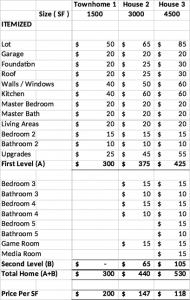
So, it is clearly the case that the larger the home, the less costly it is per square foot. But, is this necessarily an indication of value?
What could be some visible factors not shown in square footage that affect value?
- Outdoor patios
- Volume of Ceilings
- Energy Efficiency Features
- Safety features such as Universal Design and Sprinklers
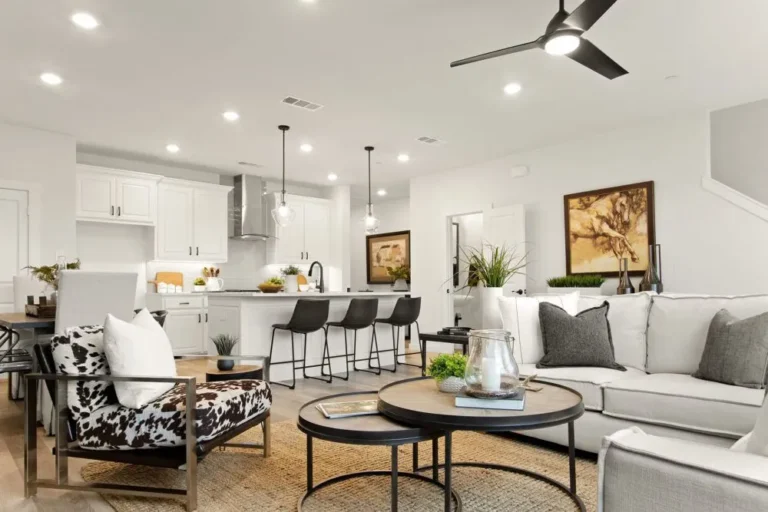
- Amenities in the neighborhood – parks and trails and lifestyle centers (swimming pools and fitness and outdoor entertaining areas)
What are some items that are harder to determine but affect value and livability?
- Light and Window placement
- Ergonomics – ease of use of the spaces
- Efficiency of spaces and circulation
- Community design for resident interaction and making new friends
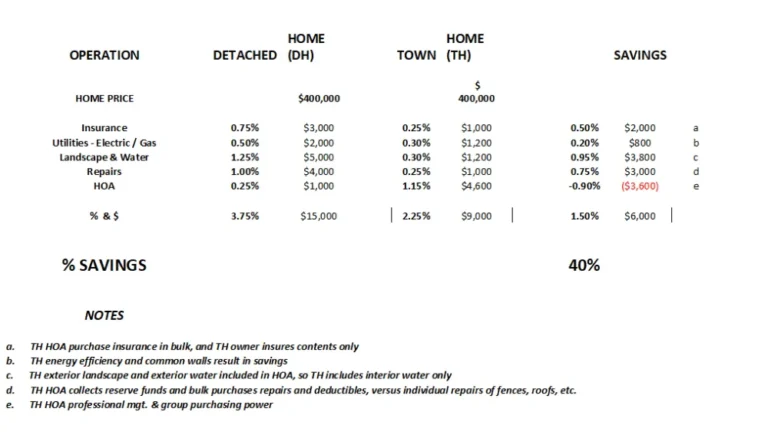
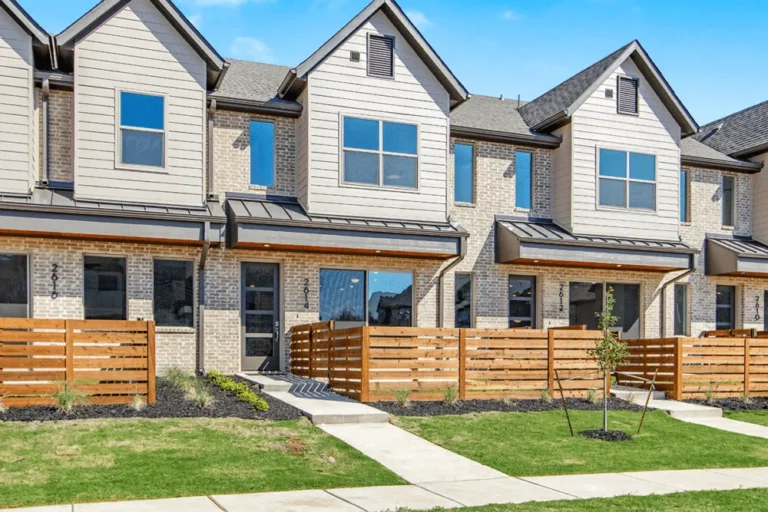
Professional Home Owners Association (HOA) designed to protect your value and privacy At Grenadier Homes, we have a mission to deliver right-sized homes that are architecturally desirable and to build them in communities with lifestyle amenities and professional management. Our townhomes have all the above built right into the home. We feel this is the best way we can deliver real and enduring value. Our joy comes from learning that our homeowners have a lower cost of ownership (Financial Value), became friends with neighbors, cherish the ease of living in a luxurious, smart-sized home (Lifestyle Value).
At Grenadier Homes, Financial Value + Lifestyle Value = Real & Enduring Value.